

Buying your first home is part financial decision, part emotional leap and part logistics puzzle. The good news: the market in 2026 is friendlier to prepared buyers than it has been in years. The key word is prepared.
1. Know your real budget before you browse
Most buyers start with listings. Start with numbers instead. A lender pre-approval tells you what you can borrow; a monthly budget tells you what you can comfortably pay. Those are rarely the same figure.
- Aim for total housing costs under 30–33% of gross income.
- Include taxes, insurance and HOA dues — not just principal and interest.
- Keep three to six months of expenses in reserve after closing.
Try it yourself
Our mortgage calculator breaks down principal, interest, taxes and insurance so you can test different down payments in seconds.
2. Pick neighborhoods, not just homes
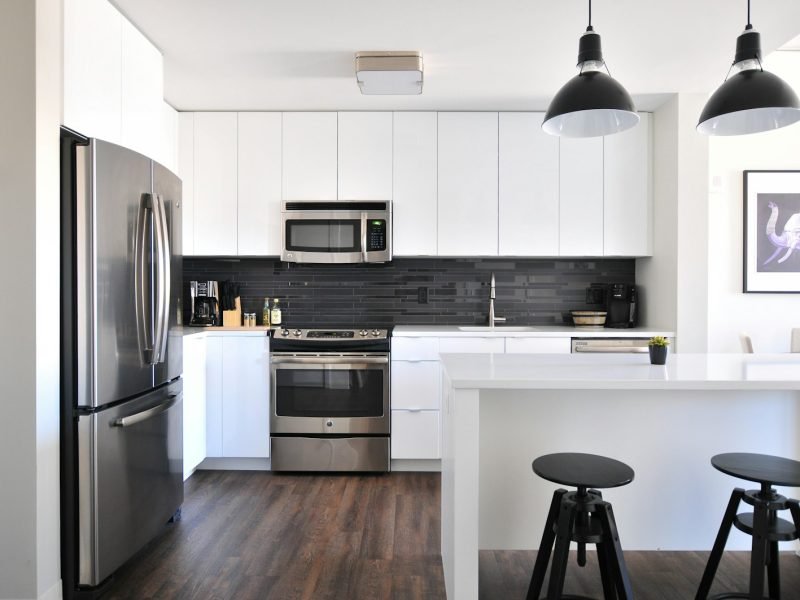
You can renovate a kitchen; you cannot renovate a commute. Spend a weekend in each shortlisted neighborhood at different times of day. Walk to the nearest grocery store. Time the drive to work at rush hour.
The right neighborhood will forgive a lot of flaws in a house. The wrong one will not.
Amelia Hart
3. Make offers that sellers remember
Price matters, but it is not the only lever. Flexible closing dates, a strong pre-approval letter and a clean inspection contingency can win against higher offers. Your agent should know what matters to each seller before you write.
Inspection is non-negotiable
Even in competitive situations, never skip an inspection. A pre-offer inspection is a smart compromise when multiple offers are expected.
4. Plan for closing costs
Budget roughly 2–3% of the purchase price for closing costs: lender fees, title insurance, escrow and prepaid taxes. Ask your lender for a loan estimate early so there are no surprises.



Comments